We investigate how ecological interactions, environmental conditions, and biological mechanisms shape terrestrial invertebrate populations and communities. Our research integrates field ecology, experimental approaches, population genetics, and microbiome analyses to understand species diversity, population dynamics, biological invasions, and insect–microbe interactions. By connecting fundamental ecological research with biological control and integrated pest management, we aim to develop sustainable strategies for managing pests and supporting resilient agricultural and natural ecosystems.
`
OUR RESEARCH
Soil Ecology
Exploring how soil life—earthworms, insects, fungi, and microbes—shapes ecosystems and agriculture.
Read more →Biocontrol with Fungi
Evaluating fungi as natural biocontrol agents for resilient food systems and ecological restoration.
Read more →WORK WITH US
Read moreRecent Publications
Amynthas Intrinsic Clock
Annual Endogenous Cycle and Thermal Drivers of Cocoon Hatching in the Earthworm Amynthas tokioensis.
Swede Midge Susceptibility in Kale
On-farm evaluation of swede midge susceptibility among four popular kale varieties.
Apolocystis bosanqueti Parasite
Apolocystis bosanqueti n. sp. (Apicomplexa: Eugregarinorida) from the invasive earthworm Amynthas agrestis (Annelida: Megascolecidae).
Media Coverage
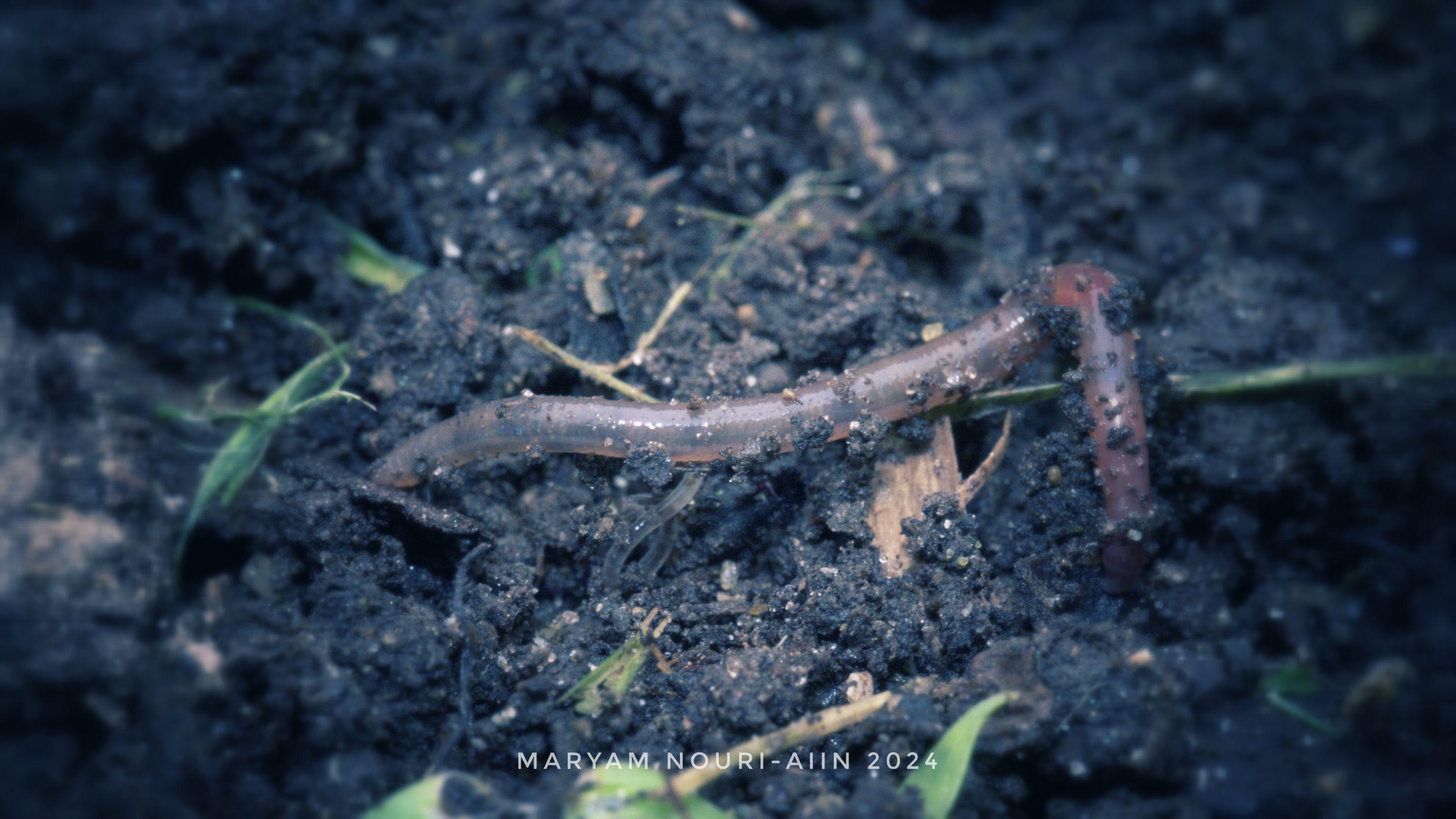
A New Invasive Species? Here’s What You Need to Know About Jumping Worms.
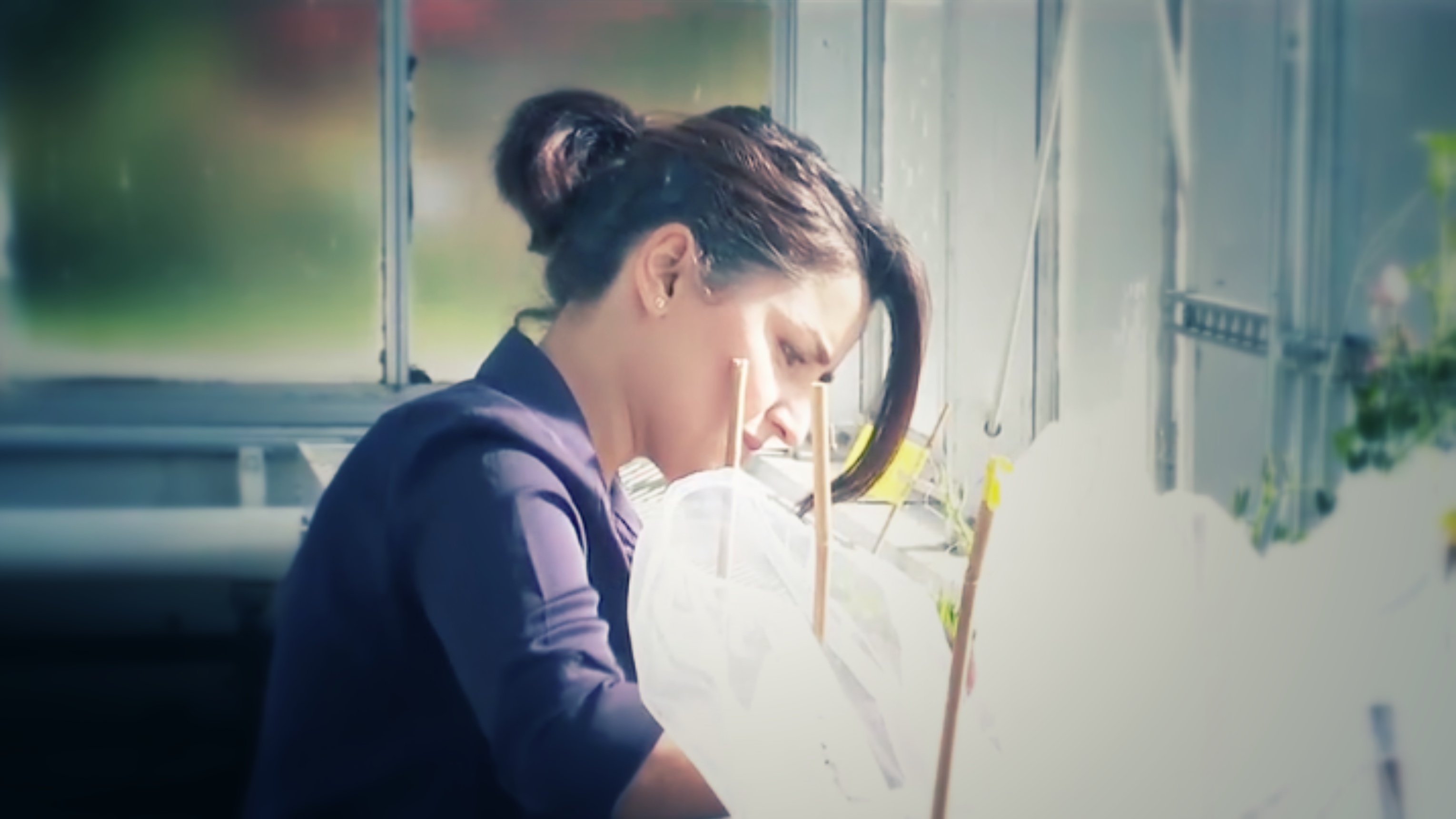
UVM researchers talk worms and soil health on WCAX News.
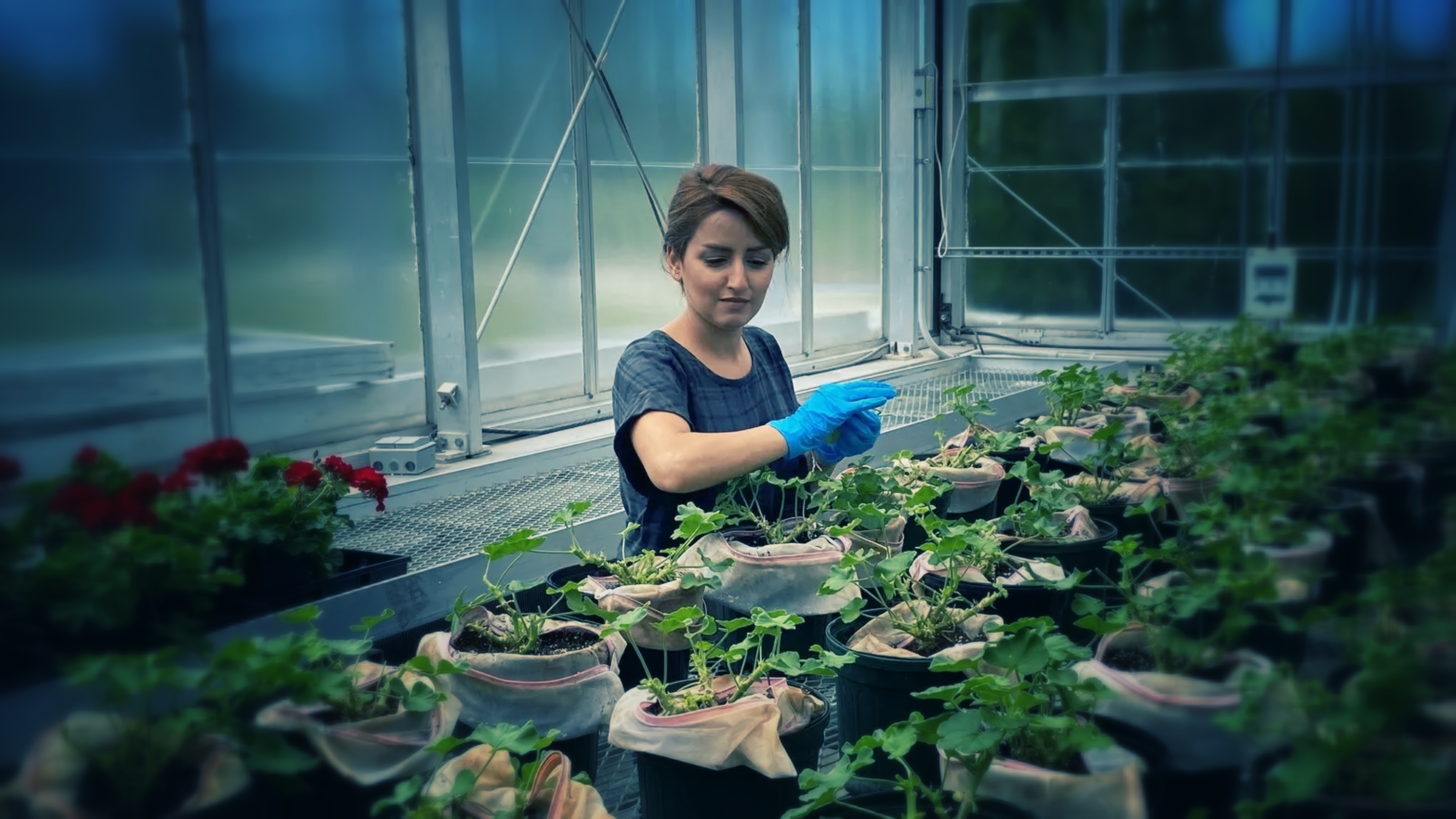
Jumping worms hit the spotlight in this NYT feature on invasive species.
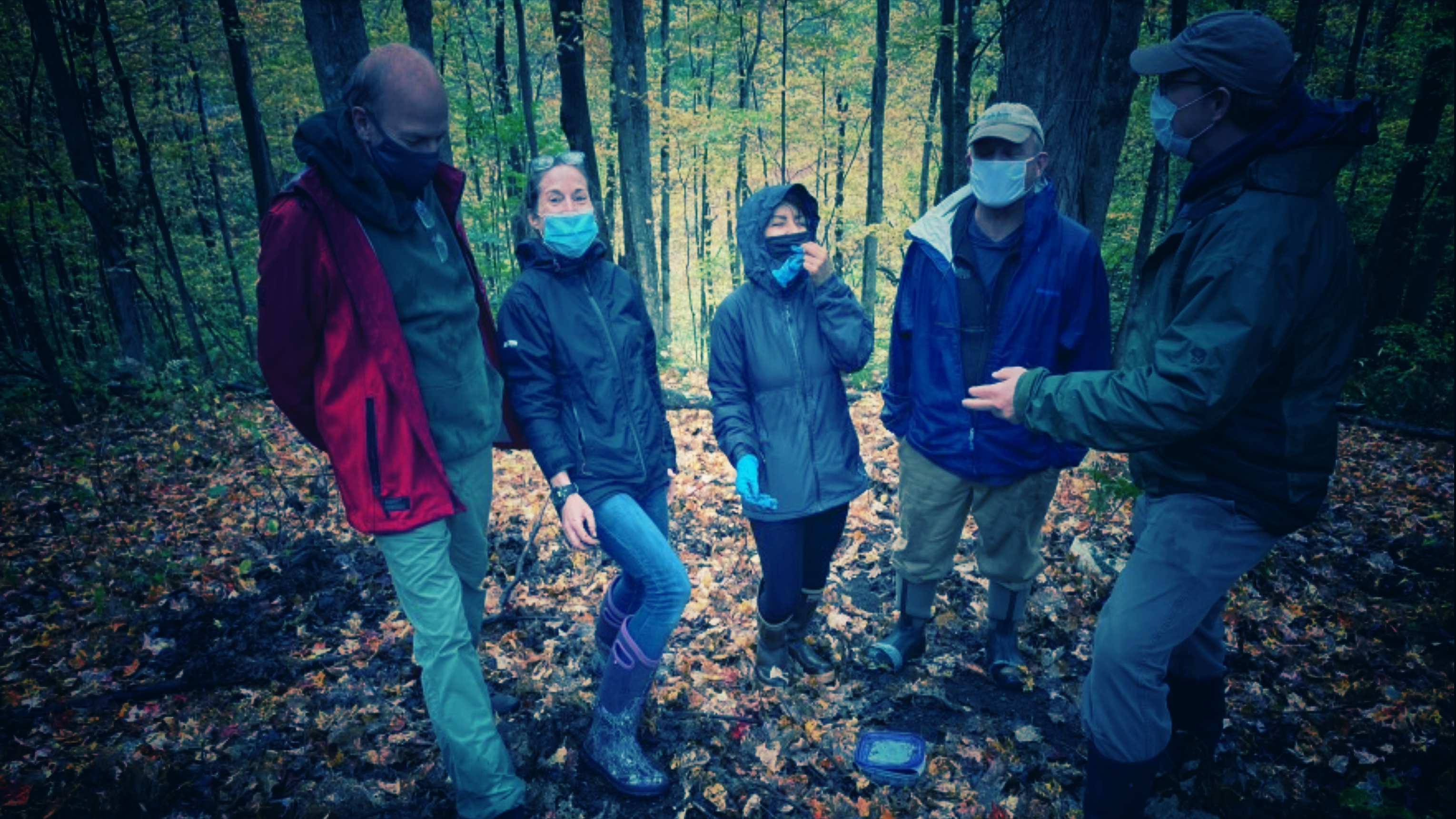
Field recording with Vermont Public: tracking worms on Outdoor Radio.